
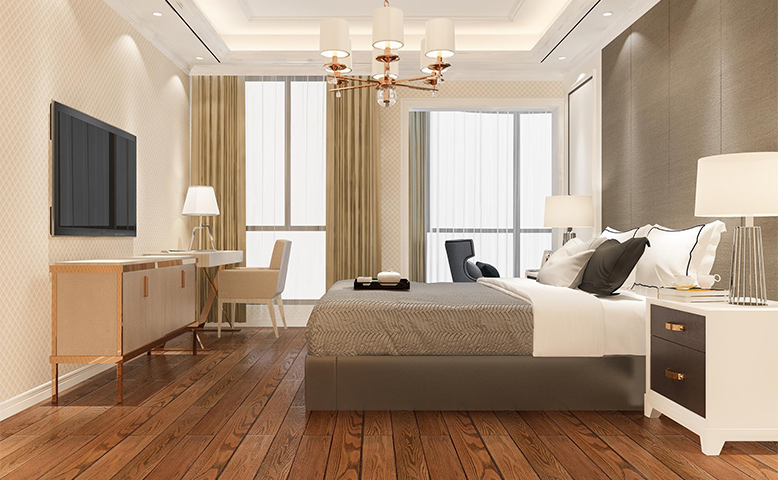
When you change the colors in your bedroom, you change how the space feels every day. Soft walls can calm your mind. Bold shades can wake up your energy. Color touches sleep, stress, and even how welcome you feel at home. So it makes sense to slow down and choose with care.
When we start a bedroom remodeling project, we always talk about feelings first, not paint swatches. We ask how you sleep, how you relax, and what kind of mornings you like. Then we match those needs to colors that support your real life. As you read, think, “How do I want to feel in this room?” That question will guide every choice you make.
1. Start With the Mood You Want to Feel
Before you look at samples, think about your ideal mood. Do you want deep rest, quiet romance, or bright, happy mornings? Your answer shapes your color plan.
You can ask yourself:
- Do I want the room to feel calm or lively?
- Do I wake up early or stay up late?
- Do I read, work, or watch TV in bed?
Calm moods often match soft blues, greens, and gentle grays. These shades feel like sky, water, and mist. They help your heart rate drop and your mind slow down.
Also, remember your emotional triggers. If a color reminds you of a hospital or school, skip it. The “right” shade is the one that helps you relax every single night.
2. See How Warm, Cool, and Neutral Colors Change a Room
Every color leans warm, cool, or neutral. This simple idea helps you plan a balanced space. Warm colors have yellow, red, or orange in them. Cool colors are blue, green, or violet. Neutrals sit in the middle.
Here’s a quick guide you can use:
| Color Type | Feels Like | Best For |
| Warm | Cozy, inviting | Master rooms, cold climates |
| Cool | Fresh, relaxing | Hot climates, rooms with strong sunlight |
| Neutral | Soft, flexible | Guest rooms, rentals, shared bedrooms |
Warm colors pull walls inward, so the room feels snug. Cool colors push walls back, so the room feels more open.
Neutrals are your safety net. They give you a calm base when you love to change pillows or art often.
Also, think about the mix. A warm beige wall with cool blue bedding can feel rich and balanced. When in doubt, use one main “family” and add small touches from another.
3. Match Colors to Room Size and Light
The same paint can look very different in another room. Size and light change everything.
Small rooms often feel larger with light colors. Pale blue, soft white, or light gray can make walls “disappear.” Dark colors in a small space can work, but they feel more like a cocoon than a bright retreat.
A good rule: “If you go dark on the walls, keep the ceiling light.”
Natural light matters too. North-facing rooms tend to feel cool. They often look better with warm tones to balance the chill. South-facing rooms get strong light. Cool tones can keep them from feeling too hot or harsh.
Artificial light also shifts color. Yellow bulbs warm up grays and whites. Cool LED bulbs can make warm beige look flat. So always look at your samples morning, afternoon, and night.
When you match color to size and light, your room feels “right” at any hour.
4. Pick a Main Color and Two Accent Partners
Once you know the mood, choose your small color team. One main color sets the tone. Two accents add interest.
When we plan bedroom remodeling, we like to keep this simple trio in mind. It makes shopping and painting less stressful.
You might try:
- One wall color covers all four walls.
- One accent color for bedding, pillows, or a chair.
- One “link” color for art, lamps, or a rug.
Keep all three colors related. For example, soft blue walls, deep navy pillows, and crisp white trim. Or warm beige walls, rust pillows, and creamy linen curtains.
Also, watch how your colors move around the room. You want each accent to show up at least three times. That way, the room feels connected, not random.
5. Use the 60-30-10 Rule to Keep Balance
The 60-30-10 rule is simple and very helpful. It keeps your room from feeling busy.
Think of your color plan like this:
- 60% of the room is your main color.
- 30% is your secondary color.
- 10% is your “pop” color.
Your 60% usually includes walls, large rugs, and big pieces of furniture. The 30% shows in bedding, curtains, or a dresser. The 10% lives in pillows, art, and decor.
This rule works with bold and soft colors. You might use a pale neutral for 60%, a medium tone for 30%, and a rich accent for 10%.
Because you limit the bright or dark shade to 10%, you can choose something braver. The room still feels calm and planned, not loud.
6. Test Your Colors in Real Life
Paint chips in the store look tiny and perfect. But they rarely show how a color behaves on your wall.
When we guide bedroom remodeling, we always test larger samples at home. You can buy small sample pots or peel-and-stick swatches. Then place them on different walls.
“If you love a color in every light, it’s the right one.”
Also, step back and look from the hallway. Your bedroom should flow with the nearby rooms. You do not want a jarring shift that breaks the calm. Testing now saves time, stress, and extra coats of paint later.
7. Layer Walls, Furniture, and Textiles
Color is more than paint. It runs through every surface in the room. When you layer wisely, the space feels rich but still peaceful.
Walls as the Quiet Base
Walls usually act as a calm background. They should support, not fight, your furniture. Light, soft tones work well here.
Furniture as the Anchor
Bed frames, dressers, and nightstands add weight. Darker wood or painted pieces can ground the space. They should contrast enough that they do not blend into the walls.
Textiles as the Personality
Bedding, pillows, throws, and curtains bring in pattern and texture. You can use them to introduce your 10% accent color.
Also, repeat one color from your textiles in art or a lamp. That small echo helps the room feel planned. When walls, furniture, and textiles talk to each other, the whole room feels calm and complete.
8. Ready to Choose Your Bedroom Colors With Confidence?
Color choices might seem small, but they shape how you rest, connect, and wake up each day. When your bedroom feels right, your body relaxes faster, and your mind settles sooner. That comfort spreads through the rest of your life.
Our bedroom remodeling projects always start with your story, your habits, and your hopes for the space. Then we use simple rules about mood, light, and balance to guide each shade. You do not need design training. You only need to notice how colors make you feel.
As you plan your next bedroom remodeling project, keep these steps close. Test your ideas, trust your eyes, and choose colors that support the life you want. When you are ready for expert hands, Willie’s Custom Drywall can help turn those colors into a room that feels like home.